
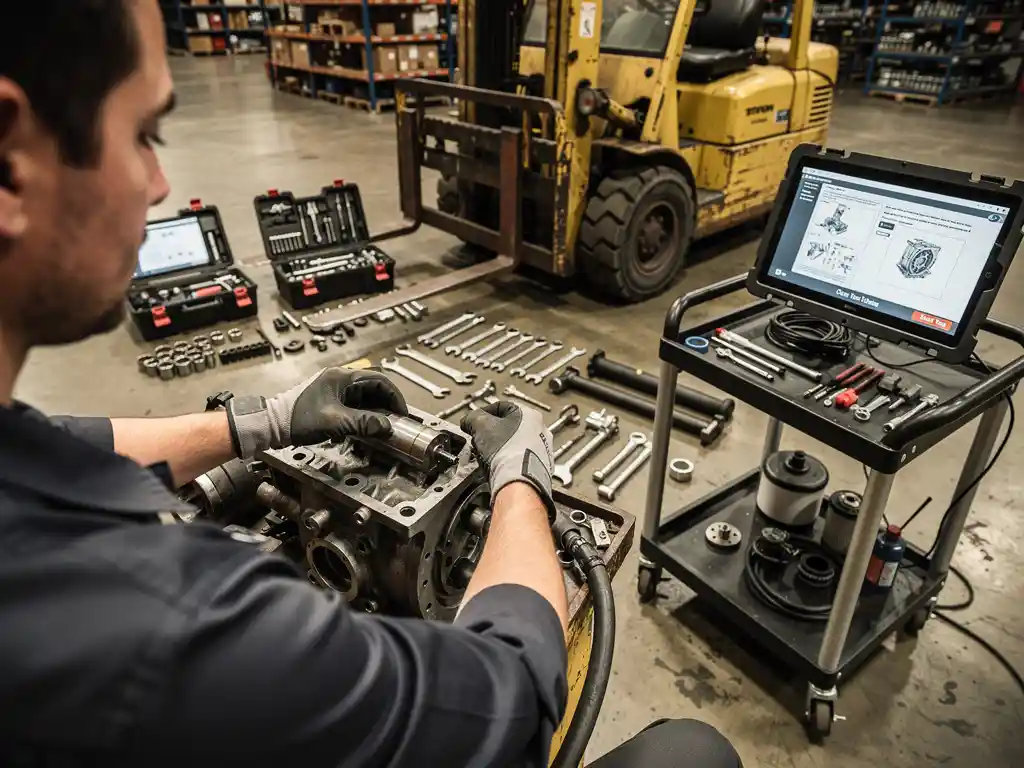
 Equipment lifecycle management is a comprehensive approach to managing assets from acquisition through retirement, optimizing performance, costs, and operational efficiency at every stage. It combines strategic planning, maintenance scheduling, performance monitoring, and replacement decisions to maximize equipment value while minimizing total ownership costs. This systematic approach helps field service operations reduce downtime, control expenses, and maintain service quality through informed equipment decisions.
What is equipment lifecycle management and why does it matter?
Equipment lifecycle management is the strategic oversight of assets throughout their entire operational lifespan, from initial procurement to final disposal. It encompasses planning, deployment, maintenance, optimization, and retirement decisions to maximize value while controlling costs.
This approach matters because it transforms reactive equipment management into proactive asset optimization. Rather than simply fixing equipment when it breaks, you make informed decisions about maintenance timing, performance improvements, and replacement schedules based on data and business objectives.
The core components of effective equipment lifecycle management include:
- Asset tracking systems – Monitor equipment health, location, and utilization patterns in real-time to provide visibility into operational status
- Maintenance planning – Schedule preventive maintenance based on usage data and manufacturer recommendations to prevent unexpected failures
- Performance analytics – Analyze operational data to identify trends, optimization opportunities, and potential issues before they impact service delivery
- Financial analysis – Track total cost of ownership and evaluate repair versus replacement decisions using comprehensive cost data
These integrated components work together to ensure field service operations run smoothly, with technicians spending more time delivering value to customers rather than dealing with equipment emergencies. When implemented effectively, equipment lifecycle management creates a foundation for sustainable operational excellence and improved customer satisfaction.
What are the main stages of equipment lifecycle management?
Equipment lifecycle management follows six distinct stages, each requiring specific strategies and decision-making processes to optimize asset value and operational efficiency.
The key stages of equipment lifecycle management are:
- Acquisition and planning – Select equipment based on operational requirements, total cost of ownership projections, and integration capabilities with existing systems
- Deployment and commissioning – Install, configure, and integrate equipment into workflows while establishing baseline performance metrics and training requirements
- Operation and maintenance – Execute daily operations alongside scheduled maintenance, performance monitoring, and periodic upgrades during the longest lifecycle phase
- Performance optimization – Analyze operational data to identify improvement opportunities through better maintenance schedules, training, or efficiency modifications
- End-of-life evaluation – Assess whether equipment should be retired, refurbished, or replaced based on performance trends and business requirements
- Retirement or replacement – Execute disposal strategies while planning procurement for replacement assets to ensure operational continuity
Each stage builds upon the previous one, creating a continuous cycle that maximizes equipment value throughout its operational life. This structured approach ensures that decisions made at each stage support overall business objectives while maintaining operational efficiency and cost control.
How does equipment lifecycle management reduce operational costs?
Equipment lifecycle management delivers significant cost reductions through strategic approaches that optimize maintenance timing, resource allocation, and replacement decisions. These cost-saving strategies work together to lower total ownership expenses while maintaining or improving service quality.
The primary cost reduction mechanisms include:
- Preventive maintenance scheduling – Reduces expensive emergency repairs and secondary damage by maintaining equipment based on condition and usage patterns rather than reactive responses
- Optimal replacement timing – Prevents escalating repair costs on aging equipment by identifying the economic point where replacement becomes more cost-effective than continued maintenance
- Minimized downtime – Improves productivity and customer satisfaction through reliable equipment operation, enabling technicians to complete more jobs successfully
- Improved resource allocation – Enhances visibility into equipment performance and maintenance needs, enabling better technician scheduling and inventory management
- Strategic procurement planning – Avoids emergency purchases and rush orders by planning replacement cycles in advance, often securing better supplier terms
These cost reduction strategies create a compound effect, where savings in one area support improvements in others. The result is a more predictable cost structure that enables better financial planning while reducing the total cost of equipment ownership across the entire fleet.
What’s the difference between reactive and proactive equipment management?
The fundamental difference between reactive and proactive equipment management lies in timing and strategy. Reactive management responds to problems after they occur, while proactive management prevents problems through planned maintenance, monitoring, and strategic decision-making.
Key characteristics of each approach include:
- Reactive management – Fixes equipment when it breaks, replaces parts after failure, and makes urgent procurement decisions under pressure, creating unpredictable costs and service disruptions
- Proactive management – Uses data and planned processes to anticipate needs, schedule maintenance based on usage patterns, and plan replacements before emergency situations arise
- Cost implications – Reactive approaches typically result in higher total expenses due to emergency response requirements, while proactive strategies offer more predictable operating costs
- Operational impact – Proactive management improves equipment reliability, customer service through reduced downtime, and safety through planned maintenance procedures
- Implementation requirements – Proactive approaches require initial investment in monitoring systems, staff training, and comprehensive data collection capabilities
The transition from reactive to proactive management represents a fundamental shift in operational philosophy that typically pays for itself within the first year. Most organizations find that while proactive strategies require upfront investment in systems and training, the resulting improvements in efficiency, reliability, and cost control create sustainable competitive advantages that support long-term business growth.
How do you track equipment performance throughout its lifecycle?
Effective equipment performance tracking requires systematic monitoring of key indicators, comprehensive data collection, and analytical tools that provide actionable insights for lifecycle management decisions.
Essential components of performance tracking include:
- Key performance indicators – Monitor equipment uptime, maintenance costs per operating hour, energy consumption patterns, and output quality metrics to identify performance trends
- Data collection strategies – Implement manual logging or automated sensor systems that continuously monitor equipment condition and integrate with field service platforms
- Performance analysis – Compare current performance against historical baselines and manufacturer specifications to identify patterns indicating optimal maintenance timing
- Digital tracking tools – Centralize equipment information, maintenance records, and performance data while generating alerts for scheduled maintenance and warranty tracking
- Comprehensive documentation – Record modifications, repairs, and upgrades that affect equipment performance to evaluate total lifecycle costs and inform procurement decisions
This integrated approach to performance tracking creates a comprehensive view of equipment health and operational efficiency. The resulting data foundation enables informed decision-making about maintenance scheduling, performance optimization, and replacement timing, ultimately supporting the strategic objectives of equipment lifecycle management across the entire asset portfolio.
When should you replace equipment versus continuing maintenance?
The decision to replace equipment versus continuing maintenance requires careful analysis of financial, operational, and strategic factors. Equipment replacement becomes preferable when maintenance costs exceed the value provided, safety risks increase, or performance no longer meets operational requirements.
Critical decision factors include:
- Financial analysis – Compare total maintenance costs against replacement value, considering repair frequency, parts availability, and labor requirements (replacement often justified when annual maintenance reaches 50-60% of replacement cost)
- Performance decline indicators – Assess reduced reliability, increased downtime, higher energy consumption, and declining output quality that impact customer service standards
- Safety considerations – Evaluate recurring safety issues, hazardous maintenance conditions, and regulatory compliance requirements that may mandate upgrades
- Strategic factors – Consider technology advancement opportunities, system integration capabilities, and alignment with long-term business objectives
- Timing considerations – Account for budget cycles, operational scheduling, and supplier availability to optimize procurement terms and operational transitions
The most effective replacement decisions combine quantitative analysis with strategic planning, ensuring that equipment changes support broader operational improvements beyond simple cost considerations. By establishing clear decision criteria and planning replacement cycles in advance, organizations can avoid emergency situations while optimizing both immediate operational needs and long-term strategic objectives.
Equipment lifecycle management transforms field service operations from reactive problem-solving to strategic asset optimization. By understanding each lifecycle stage, implementing proactive management approaches, and making data-driven decisions about maintenance and replacement, you create more efficient operations that better serve your customers. At Gomocha, we understand that effective equipment management requires integrated systems that provide real-time visibility into asset performance, streamlined maintenance workflows, and comprehensive reporting capabilities that support informed decision-making throughout the equipment lifecycle.
If you are interested in learning more, start your efficiency assessment today.